
Utah County
Concrete & Flatwork — American Fork, UT
We pour flatwork across American Fork for both homeowners and commercial clients, and because we own the excavation side too, we fix what's under the slab rather than pouring over it. That matters most on the jobs where the concrete is solving a problem — trench and trough drains in commercial spaces, slabs that have to drain to a specific point, or a replacement pour where the last one failed because the base did.
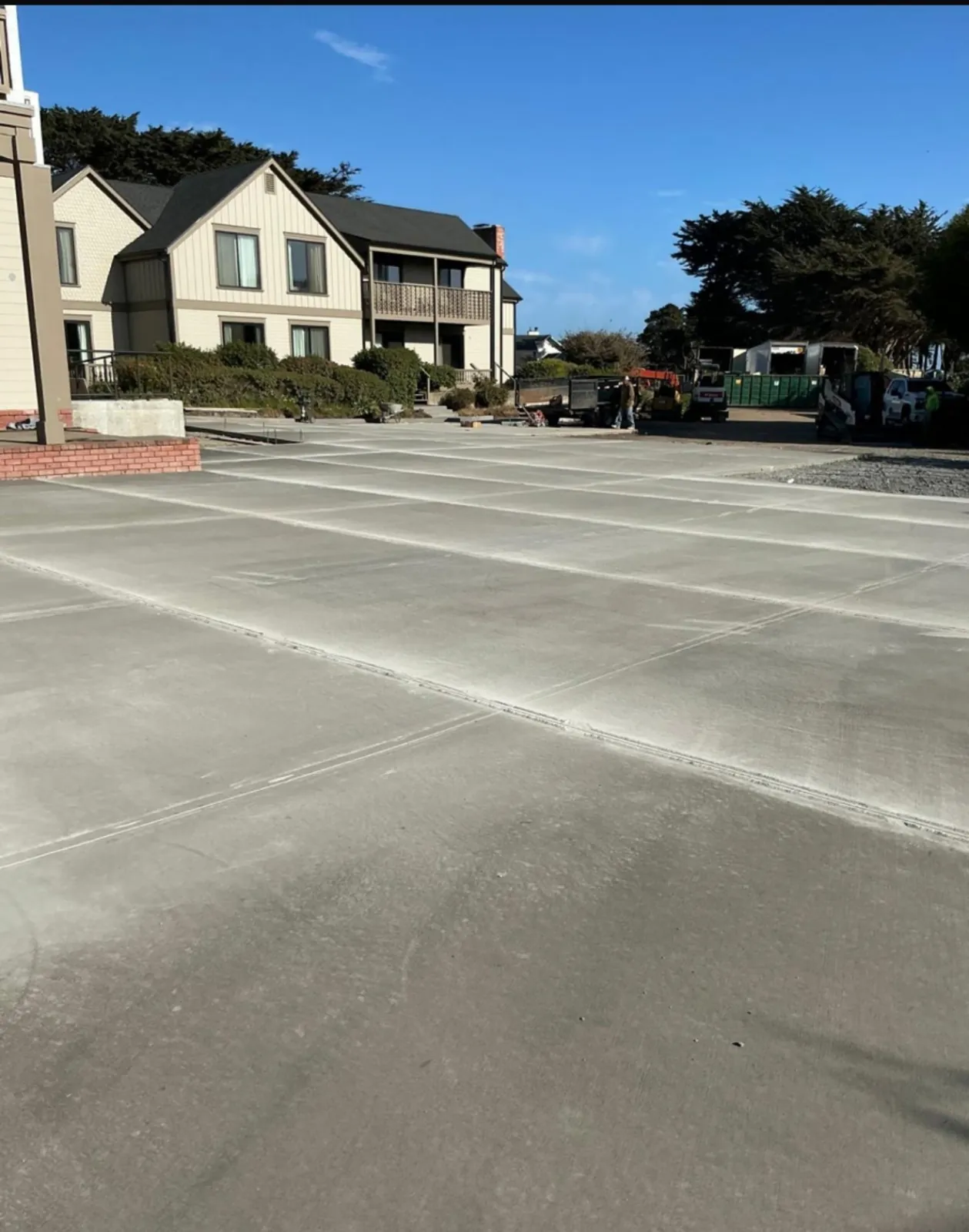
Concrete Flatwork in American Fork — what's different here
Base first, then concrete
We own the excavation equipment, so correcting a failed subgrade is part of the job rather than a reason to bring in another contractor.
Commercial trench and trough drains
Saw-cutting existing slab, forming, and pouring clean lines that drain the way the drawing says they should.
Jointed and cured properly
Control joints saw-cut on time and correct curing — the two steps most often rushed, and the two that decide whether a slab cracks.
How we do it
Subgrade & forms
Confirm compacted subgrade, set forms to line and grade.
Reinforce
Place rebar or mesh and embeds per the structural plans.
Pour & finish
Place, screed, float, and finish to the specified texture.
Joint & cure
Saw-cut control joints on time and cure for strength and durability.
Questions we get in American Fork
Do you do commercial concrete work in American Fork?
Yes — slabs, curb, sidewalk, equipment pads, and trench drain installation in commercial spaces, including cutting into existing concrete and tying the new pour in cleanly.
Why do slabs crack, and can it be prevented?
Concrete shrinks as it cures and will crack somewhere; control joints decide where. Cracking beyond that is usually base movement. Correct subgrade prep, timely saw-cutting, and proper curing prevent most of what people complain about.